Don't Buy Until You Read This: Hisense 116Ux vs Lg Qned92 Mini Led Tv
The premium television market has undergone a radical transformation in recent years. While OLED technology once stood alone as the undisputed king of picture quality, the resurgence of LED-based displays—fueled by Mini-LED backlighting and Quantum Dot color enhancement—has created a new tier of high-performance screens. Today, consumers are looking for more than just deep blacks; they want astronomical brightness levels, expansive screen real estate, and the kind of HDR impact that OLED sometimes struggles to deliver in sun-drenched living rooms. Two of the most talked-about contenders in this space are the Hisense 116Ux and the LG QNED92 series. While they both utilize Mini-LED technology, they represent very different philosophies in terms of engineering and targeted user experience.
Choosing between these two models is not a simple matter of looking at a price tag. It requires an understanding of how backlighting zones, processing engines, and panel types interact to create a final image. The Hisense 116Ux is a statement piece, a massive 116-inch monster that aims to redefine what is possible with consumer LED technology. On the other hand, the LG QNED92 focuses on the synergy between LG’s established smart ecosystem and a versatile panel that balances color accuracy with high-speed gaming features. In this deep dive, we will explore the technical nuances and real-world performance of both displays to help you decide which one deserves a place in your home cinema or living space.
The Colossus: Hisense 116Ux Mini-LED Analysis
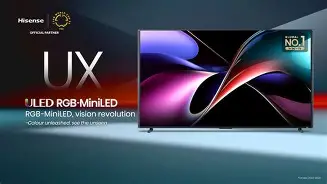
The Hisense 116Ux is part of the brand’s flagship "U-Series," specifically the "X" line which denotes their most extreme engineering efforts. At 116 inches, it sits in a category of its own, challenging the necessity of home projectors. The primary technological driver here is the sheer density of its Mini-LED backlight. Unlike standard Mini-LED TVs that might feature a few hundred or a thousand local dimming zones, the 116Ux pushes into the tens of thousands. This massive array of microscopic LEDs allows for precise light control, significantly reducing the "blooming" effect often seen when bright objects appear against dark backgrounds.
Under the hood, the 116Ux utilizes the Hi-View Engine X. This processor is tasked with managing the heavy lifting involved in upscaling content to 4K across such a massive canvas. When you are sitting in front of a 116-inch screen, any imperfection in the source material is magnified. The Hi-View Engine X uses AI-driven algorithms to smooth out gradients, sharpen edges, and ensure that skin tones remain natural even when pushed to extreme brightness levels. Peak brightness is another area where the 116Ux dominates, reportedly reaching levels that can make HDR highlights look almost realistic, from the glint of sun on water to the intensity of an explosion in an action sequence.
Pros and Cons of the Hisense 116Ux:
- Unmatched Scale: The 116-inch screen provides a truly cinematic experience that makes standard 65 or 75-inch TVs feel small by comparison.
- Extreme Dimming Precision: With over 40,000 local dimming zones, it achieves black levels that rival OLED while maintaining far superior peak brightness.
- High Peak Brightness: Capable of cutting through significant ambient light, making it ideal for bright, modern living rooms with large windows.
- Advanced Connectivity: Includes HDMI 2.1 features, supporting 144Hz refresh rates for PC gaming and high-end consoles.
- Physical Requirement: The massive size and weight require professional installation and a significant amount of wall or floor space.
- Processing Load: While the AI engine is powerful, native 1080p or lower-resolution content can sometimes struggle to look sharp on such a large physical area.
The Versatile Performer: LG QNED92 Mini-LED Analysis
LG’s QNED92 represents the pinnacle of their non-OLED lineup. The "QNED" branding refers to the combination of Quantum Dot and NanoCell technologies. By layering these two color-filtering methods over a Mini-LED backlight, LG aims to produce a wider, more accurate color gamut than traditional LED TVs. The QNED92 is designed for the buyer who wants the reliability and brightness of an LED but craves the sophisticated software and color science that LG is known for.
The heart of the QNED92 is the α9 (Alpha 9) Gen 6 AI Processor. LG has long been a leader in television processing, and the α9 chip is particularly adept at handling motion and tone mapping. For sports fans, this means smoother tracking of a football or hockey puck without the distracting "soap opera effect" or unnatural blurring. For movie enthusiasts, LG’s inclusion of Filmmaker Mode ensures that the content is viewed exactly as the director intended, without excessive sharpening or artificial color boosting. While it doesn't reach the extreme zone count of the Hisense Ux, its "Precision Dimming Pro" technology does a commendable job of keeping contrast high and backlight bleed to a minimum.
Pros and Cons of the LG QNED92:
Shop the latest TVs & Home Theater picks on Amazon.
View Offers →- Color Accuracy: The dual-layer Quantum Dot and NanoCell technology provides exceptionally pure and vibrant colors.
- Superior Smart Ecosystem: WebOS remains one of the most intuitive and feature-rich smart TV platforms, complete with the Magic Remote.
- Excellent Motion Handling: The α9 processor is class-leading in its ability to handle fast-moving objects without artifacts.
- Gaming Features: Support for G-Sync, FreeSync, and a dedicated Game Optimizer menu makes it a favorite for multi-platform gamers.
- Black Levels: While excellent for an LED, it may show slight blooming in extremely dark scenes compared to the ultra-high zone count of the Hisense.
- Brightness: Highly capable, but lacks the "sear-your-retinas" peak intensity found in the specialty Ux series.
Technical Comparison Specification Table
To better understand how these two titans stack up on paper, the following table highlights the core specifications that drive their performance.
| Feature | Hisense 116Ux | LG QNED92 |
|---|---|---|
| Display Size | 116 Inches | 65, 75, 86 Inches (Typically) |
| Panel Type | VA-like (High Contrast) | IPS/ADS (Wide Viewing Angle) |
| Backlight Technology | Mini-LED (40,000+ Zones) | Mini-LED (Precision Dimming Pro) |
| Peak Brightness | ~5,000 nits | ~1,500 - 2,000 nits |
| Processor | Hi-View Engine X | α9 Gen 6 AI Processor |
| Smart Platform | Google TV / Vidaa (Region dependent) | WebOS 23 |
| Gaming Support | 144Hz, VRR, ALLM | 120Hz, G-Sync, FreeSync, VRR |
| HDR Formats | Dolby Vision IQ, HDR10+, HLG | Dolby Vision, HDR10, HLG |
Buying Guide: Key Considerations for High-End Mini-LED
When investing in a premium Mini-LED television like the Hisense 116Ux or the LG QNED92, several factors beyond the spec sheet will impact your daily enjoyment. These devices are intended to last for years, so understanding your environment and viewing habits is crucial.
1. Room Lighting and Environment
One of the primary reasons to choose Mini-LED over OLED is brightness. If your TV will be placed in a room with floor-to-ceiling windows or significant overhead lighting, peak brightness is your best friend. The Hisense 116Ux is a champion in this regard, offering enough luminance to remain vivid even in the brightest conditions. The LG QNED92 is no slouch, but its panel type (often IPS/ADS) is better known for wide viewing angles. This means that if you have a wide sectional sofa where people are sitting at sharp angles to the TV, the LG will maintain color and contrast better for those sitting on the edge, whereas the Hisense focuses its power directly forward.
2. Content Consumption Habits
What do you actually watch? If you are a cinephile who primarily watches 4K Blu-rays or high-bitrate streaming services i…3. The Smart Ecosystem
The interface you interact with every day matters. LG's WebOS is highly polished and features the Magic Remote, which allows you to point and click like a computer mouse. It also integrates deeply with Apple HomeKit and Amazon Alexa. Hisense typically utilizes Google TV in Western markets, which is fantastic for personalized recommendations and integrates perfectly with Android devices and Google Home. If you are already deep into one ecosystem, sticking with the compatible TV can make life significantly easier.
4. Physical Logistics
It is impossible to ignore the sheer size of the Hisense 116Ux. At 116 inches, the box itself may not fit through standard door frames or into elevators. It requires a reinforced wall if mounting or a very large, sturdy piece of furniture. The LG QNED92 comes in more manageable sizes, including 65 and 75 inches, which fit comfortably into most homes. Do not underestimate the cost and complexity of the "last mile"—getting the TV into the room and safely onto its mounting point.
Gaming Performance and Input Tech
Modern TVs are increasingly being used as giant gaming monitors. Both Hisense and LG have recognized this trend and packed their sets with features that were once reserved for high-end PC displays. The Hisense 116Ux supports a 144Hz refresh rate, which is a boon for PC gamers with powerful rigs. This extra headroom over the standard 120Hz allows for even smoother visuals in fast-paced shooters or racing games. Its extremely high brightness also makes HDR gaming—a highlight of modern titles—look stunningly impactful.
Find top-rated TVs & Home Theater products at great prices.
Browse Now →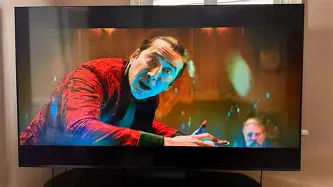
LG, however, maintains a slight edge in "gaming feel" and compatibility. LG TVs are often first to receive certifications for NVIDIA G-Sync and AMD FreeSync Premium. The LG Game Optimizer menu is also highly regarded, giving users quick access to settings like black stabilizer (to see enemies in shadows) and input lag reduction. While the Hisense is faster in raw Hz, the LG often feels more "plug-and-play" with a variety of consoles and PCs, ensuring that screen tearing and stuttering are non-existent.
Audio Capabilities: Do You Need a Soundbar?
With screens this high-tech, built-in audio is often an afterthought, but these two models try to break that mold. The Hisense 116Ux, given its massive frame, has room for a significant multi-channel speaker array. It features a built-in subwoofer and upward-firing speakers to support Dolby Atmos natively. For many, this built-in system will be more than enough for casual viewing.
The LG QNED92 uses "AI Sound Pro," which virtually upmixes two-channel audio into a 9.1.2 surround sound experience. LG's processing can analyze the genre of the content—be it news, music, or cinema—and adjust the EQ on the fly to emphasize voices or bass. However, because the LG tends to be slimmer, it lacks the physical displacement of the Hisense. In both cases, if you are spending this much on a visual flagship, a dedicated 5.1 or 7.1 surround sound system is highly recommended to match the scale of the image.
Energy Efficiency and Heat
A factor often overlooked is the power draw of these massive Mini-LED arrays. The Hisense 116Ux, with its tens of thousands of LEDs and massive screen area, will consume a significant amount of electricity compared to a standard TV. It also generates a noticeable amount of heat; standing near the screen, you can feel the warmth radiating from the backlight. The LG QNED92 is more efficient, simply by virtue of its smaller size and more traditional zone count. For buyers conscious of their utility bills or those living in smaller, poorly ventilated rooms, the LG is the more practical choice.
Conclusion
The choice between the Hisense 116Ux and the LG QNED92 ultimately comes down to your personal definition of "the best" viewing experience. The Hisense 116Ux is an uncompromising marvel of brightness and scale. It is designed for the enthusiast who wants to push the boundaries of what is possible in a home environment, effectively replacing a projector with a screen that can handle any lighting condition and provide infinite contrast through its dense local dimming array. It is a TV that demands attention and space, rewarding the owner with an image that is both massive and meticulously controlled.
Conversely, the LG QNED92 is the sophisticated choice for the discerning viewer who values processing polish, color accuracy, and a seamless smart home experience. It offers a more balanced performance profile, excelling in motion handling and upscaling while providing some of the most vibrant colors in the industry thanks to its Quantum Dot and NanoCell combination. It is more versatile, fitting into more rooms and providing a user interface that is arguably the best in the business. Both televisions prove that Mini-LED is a powerhouse technology, capable of delivering breathtaking visuals that make every movie night, big game, or gaming session feel like a world-class event.